Key Technical Factors Buyers Should Check Before Selecting a Heavy Duty Gearbox
Selecting the right gearbox for heavy industrial machinery is not only about choosing a high power rating. In applications above 50 kW, the gearbox must handle motor power, output torque, operating speed, shock loads, working hours, mounting conditions and the surrounding industrial environment.
A Kirloskar Make Gearbox is used in demanding sectors such as steel, sugar, cement, power, material handling, rubber, plastic, paper, marine and railway applications. Speedo Gear Pvt. Ltd. supplies tailor-made heavy-duty gearbox solutions above 50 kW based on customer requirements.
Choosing the correct configuration can help improve power transmission, reduce unexpected downtime and support reliable machine operation.
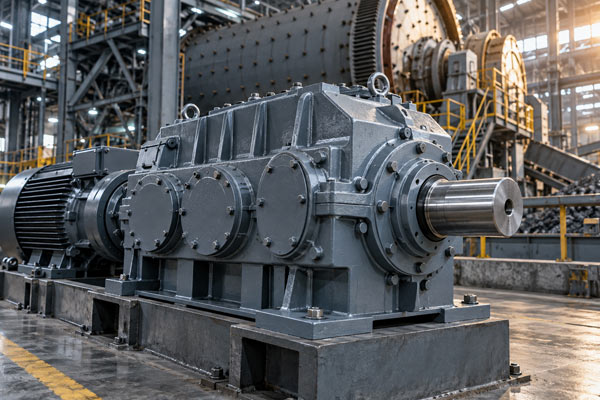
Start With the Motor Power Requirement
Motor power is one of the first details to check when selecting an industrial gearbox.
For machinery above 50 kW, simply selecting a gearbox with a matching power number may not be enough. The actual requirement also depends on speed, torque, load pattern and working conditions.
For example, two machines may both use a 75 kW motor, but one may operate continuously while another experiences frequent starting and heavy shock loads. Their gearbox requirements can therefore be different.
Before contacting a Kirloskar Gearbox Supplier, provide the exact motor power and motor speed.
Check Input and Required Output RPM
A gearbox changes the input speed received from the motor into the output speed required by the machine.
Suppose a motor operates at 1,440 RPM but the driven machine requires a much lower speed. The gearbox ratio must be selected accordingly.
A basic relationship is:
Gear Ratio = Input RPM ÷ Output RPM
For example, if:
Input speed = 1,440 RPM | Required output speed = 72 RPM
Then the approximate ratio is: 1440 ÷ 72 = 20:1
This simple calculation helps establish the starting point, but final gearbox selection should also consider torque, efficiency, service factor and load conditions
Calculate the Required Output Torque
Torque is one of the most important factors in heavy-duty gearbox selection.
Heavy industrial machines such as conveyors, mills, crushers, mixers, rolling equipment and material-handling systems may require very high torque at reduced speed.
Selecting a gearbox only according to motor kW without considering output torque can lead to poor performance or premature gearbox wear.
The gearbox supplier should know:
- Motor power | Input RPM | Required output RPM | Expected output torque | Starting load | Peak load | Continuous operating load
This information helps determine whether the selected Heavy Duty Kirloskar Gearbox can safely transmit the required power.
Consider the Service Factor
Service factor represents the additional capacity required because real industrial loads are rarely perfectly constant.
Applications with smooth and continuous loads generally need different gearbox selection compared with machines exposed to shock loads, frequent starts, reversals or high operating hours.
Important factors include:
- Number of operating hours per day | Starts and stops per hour | Shock loading | Load fluctuations | Reversing operation | Ambient temperature | Dust and contamination | Production duty
A gearbox used in a cement plant crusher may face much harsher conditions than one used in a controlled process application.
Therefore, the service factor should be considered before finalizing a gearbox above 50 kW.
Identify the Actual Industrial Application
Gearbox selection should always be application-specific.
Kirloskar heavy-duty gearbox solutions are used across several industries. Speedo Gear identifies applications including steam and hydro turbines, steel rolling equipment, sugar mill drives, cement kiln and ball mill drives, extruders, paper machinery, conveyors, stacker reclaimers, hoists, marine propulsion and railway systems.
Different applications create different requirements.
For example:
Understanding the application helps the supplier recommend a more suitable configuration.
Select the Correct Gearbox Type
Different heavy-duty machines may require different gearbox designs.
Depending on the application, options may include:
- Helical gearbox
- Bevel helical gearbox
- Planetary gearbox
- High-speed gearbox
- Parallel shaft gearbox
- Custom heavy-duty gearbox
For example, Speedo Gear’s planetary gearbox range is used in steel plants, sugar plants, conveyors, cement plants, power plants, cranes and other demanding industrial applications.
The correct gearbox type depends on torque, speed ratio, shaft orientation, available installation space and driven equipment.
Check Mounting and Shaft Arrangement
A technically suitable gearbox can still create installation problems if the mounting or shaft arrangement does not match the machine.
Before placing an order, confirm:
- Horizontal or vertical mounting
- Foot-mounted or flange-mounted design
- Input shaft position
- Output shaft position
- Solid or hollow shaft
- Shaft diameter
- Rotation direction
- Existing foundation dimensions
- Coupling arrangement
These details become especially important when replacing an existing industrial gearbox.
Consider Existing Gearbox Replacement Requirements
In many plants, the requirement is not for a new machine but for replacement of an old or damaged gearbox.
Speedo Gear’s Kirloskar Make Gearbox page also mentions refurbishment and substitution of imported or other-make gearboxes as drop-in solutions.
For such projects, buyers should provide:
- Existing gearbox model
- Gear ratio
- Motor power
- Mounting dimensions
- Centre height
- Drawings, if available
A well-planned drop-in replacement can reduce the need for major machine or foundation modifications.
Review Operating Environment
The surrounding environment can affect gearbox life and performance.
Heavy industries may involve:
- High temperature
- Dust
- Moisture
- Outdoor installation
- Chemical exposure
- Heavy vibration
- Continuous operation
These conditions may influence lubrication, sealing, cooling, bearing selection and gearbox housing requirements.
Make sure the supplier understands where the gearbox will actually operate.
Check Lubrication and Cooling Requirements
A heavy-duty gearbox above 50 kW can generate significant heat during continuous operation.
Proper lubrication is required to protect gears, bearings and other internal components.
Depending on the gearbox and operating conditions, the design may require:
- Suitable industrial gear oil
- Oil level monitoring
- Forced lubrication
- Oil circulation
- Cooling arrangement
- Regular oil inspection
The correct maintenance schedule should also be planned from the beginning rather than only after the gearbox starts showing problems.
What Information Should You Send to the Supplier?
Before requesting a quotation from a Kirloskar Make Gearbox Supplier in India, prepare the following technical details:
| Required Detail | Why It Matters |
|---|---|
| Motor Power in kW | Determines power capacity |
| Input RPM | Helps calculate reduction requirement |
| Required Output RPM | Determines required ratio |
| Output Torque | Confirms load capacity |
| Application | Helps identify suitable gearbox type |
| Operating Hours | Supports service factor selection |
| Load Condition | Identifies shock or continuous duty |
| Mounting Position | Ensures proper installation |
| Shaft Details | Helps match machine connection |
| Existing Gearbox Details | Important for replacement |
| Ambient Conditions | Helps with sealing and cooling |
| Drawings | Improves dimensional accuracy |
Sharing complete information can reduce selection errors and make the quotation more accurate.
Choosing a Kirloskar Make Gearbox Supplier
For heavy-duty requirements above 50 kW, buyers should look beyond price alone.
A suitable supplier should be able to understand application data, motor power, torque, ratio, mounting and replacement requirements.
Speedo Gear Pvt. Ltd., Ahmedabad, supplies tailor-made Kirloskar Make Gearbox solutions for heavy-duty industrial applications and supports replacement and refurbishment requirements.
For industrial buyers searching for a Kirloskar Gearbox Supplier in Ahmedabad, Gujarat or India, providing detailed application information before selection is one of the most important steps.
Conclusion
Selecting a Kirloskar Make Gearbox above 50 kW requires careful evaluation of motor power, input and output speed, torque, service factor, load condition, mounting arrangement and operating environment.
The right gearbox should match the complete machine requirement rather than only the motor rating.
For steel, sugar, cement, power, material handling and other heavy industries, correct gearbox selection can support smoother power transmission, reduced downtime and reliable long-term machine operation.
FAQs
Start with motor power, input RPM, output RPM, required torque, gear ratio, duty cycle, load condition, mounting and application details.
Provide motor kW, input speed, required output speed, torque, application, operating hours, mounting position and existing gearbox details.
The gearbox should be selected according to the actual shock load and service factor. Share load conditions with the supplier before selection.
Yes, replacement may be possible when dimensions, shafts, mounting, ratio and operating requirements are properly matched. Speedo Gear also lists drop-in substitution among its capabilities.
They are used in power, steel, sugar, cement, minerals, rubber, plastic, paper, material handling, marine and railway applications.
No. Torque, motor power, duty cycle, service factor, mounting and operating conditions must also be considered.
Speedo Gear Pvt. Ltd. supplies tailor-made heavy-duty Kirloskar/KPCL gearbox solutions from Ahmedabad, Gujarat for industrial requirements above 50 kW.