Kirloskar Gearboxes for Heavy Duty Material Handling
Moving heavy materials takes more than a large motor. Conveyors, feeders and lifting machines also need the right gearbox. The gearbox changes motor speed and delivers the turning force needed to move the load. A poor match can lead to overheating, wear and frequent machine stops.
Kirloskar gearboxes are used in industrial power transmission, including material handling. Applications listed by Speedo Gear include bulk material conveyors, stacker reclaimers, heavy capacity hoists, apron feeders and elevators. Each machine needs a gearbox selected for its own load and working conditions.
This guide explains these applications, the details buyers should check and the care a heavy duty gearbox needs.
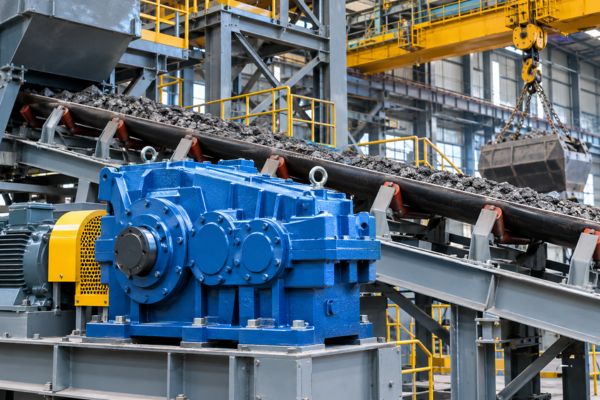
What Is a Kirloskar Gearbox for Material Handling?
A Kirloskar gearbox for material handling transfers power from a motor to equipment that moves or lifts materials. In a speed reduction drive, the gearbox lowers the motor speed and increases the available turning force, called torque.
For example, a motor may rotate too fast to drive a loaded conveyor directly. A gearbox reduces that speed to suit the conveyor. The exact gearbox size depends on the load, required speed, running hours and machine design.
Kirloskar Pneumatic, also known as KPCL, makes industrial gearboxes for several sectors, including material handling. The correct model must be checked against the needs of the driven machine.
Why Do Heavy Duty Material Handling Systems Need Careful Gearbox Selection?
Material handling equipment rarely works under one steady load all day. A conveyor may start while full. A feeder may receive uneven amounts of material. A lifting drive may start and stop many times during a shift.
These changes affect the force passing through the gearbox.
A gearbox selection should account for:
- The load during normal operation.
- The extra force needed during starting.
- Sudden load changes or impacts.
- The number of starts and stops.
- Daily operating hours.
- Heat, dust and outdoor exposure.
- The direction in which power must travel.
A gearbox that suits a steady conveyor may not suit a feeder exposed to repeated impacts. Application service factors and peak load checks help engineers account for these differences.
Where Are Kirloskar Gearboxes Used in Material Handling?
Different machines move materials in different ways. Some carry a continuous flow. Others lift a load or collect material from a stockpile.
| Material Handling Equipment | Main Task | Details to Check |
|---|---|---|
| Bulk material conveyor | Carries material between plant areas | Starting load, belt speed and operating hours |
| Stacker reclaimer | Places and collects stockpiled material | Drive function, changing loads and shaft layout |
| Heavy capacity hoist | Raises and lowers loads | Lifting duty, braking system and peak torque |
| Apron feeder | Feeds heavy bulk material into a process | Impact loads, starting torque and feed speed |
| Bucket elevator | Moves bulk material upward | Loaded starting, output speed and reverse movement control |
This table is a starting guide. Each drive needs its own engineering review.
Kirloskar Gearboxes for Bulk Material Conveyors
Bulk conveyors move materials such as coal, minerals and plant feed. Their gearboxes must provide the required drive speed while handling the resistance of the loaded conveyor.
Starting conditions deserve close attention. A conveyor that starts empty can place a different demand on its drive than the same conveyor starting fully loaded.
Buyers should share the conveyor capacity, belt speed, incline and starting method. These details help the supplier understand the real duty rather than selecting only from motor power.
Kirloskar Gearboxes for Stacker Reclaimers
A stacker reclaimer handles material in a storage yard. It may have separate drives for travel, conveyors, slewing and reclaiming.
Each drive performs a different job. The gearbox for one movement cannot be selected using the needs of another.
Kirloskar Pneumatic identifies helical and bevel gearboxes for stacker reclaimer applications. Parallel shaft and right angle arrangements serve different installation layouts.
Kirloskar Gearboxes for Heavy Capacity Hoists
Hoists lift loads, so gearbox selection must form part of the complete lifting system design. The required lifting speed, load, drum arrangement and operating cycle all affect the drive.
A gearbox should never be assumed to hold a suspended load by itself. Brakes and other load control devices must suit the machine design.
When making an enquiry, include how often the hoist operates and how long each lifting cycle lasts.
Kirloskar Gearboxes for Apron Feeders
Apron feeders move heavy bulk material at a controlled rate. Material arriving from a hopper can create uneven loading and impacts.
The gearbox must suit the normal feeding duty and the force required to start the loaded feeder. Motor power alone does not describe these conditions.
Useful enquiry details include material type, bulk density, feed rate and the size of the material pieces.
Kirloskar Gearboxes for Bucket Elevators
Bucket elevators lift bulk materials to a higher level. The drive must match the elevator speed and loaded operating conditions.
Buyers should also discuss how unwanted reverse movement will be controlled. Where required, a backstop or braking arrangement must be selected for the complete drive.
How Do You Select a Kirloskar Gearbox for Material Handling?
Start with the driven equipment and its load. Then check whether the gearbox can meet the required speed, torque, heat limits and installation needs.
Check Running Torque and Starting Torque
Torque means turning force. Running torque is the force needed while the machine is moving normally. Starting torque is the force needed to begin movement.
These values can be different, especially when a machine starts under load.
Tell the supplier about loaded starts, blocked conditions, sudden impacts and frequent reversing. These conditions may affect the required gearbox size.
Confirm Input Speed and Output Speed
Input speed is the speed entering the gearbox. Output speed is the speed leaving it.
For a reduction gearbox:
Output speed = Input speed ÷ Reduction ratio
For example, an input speed of 1,440 RPM with a 40:1 ratio gives a theoretical output speed of 36 RPM.
This calculation helps identify a ratio. It does not confirm that the gearbox can carry the load.
Review Service Factor and Peak Loads
A service factor helps account for the demands of an application beyond its basic running load. Working hours and machine load patterns influence this check.
Peak loads also need attention. A short, heavy impact can place a different demand on a gearbox than steady operation.
Use the selected gearbox manufacturer’s method for these checks. A service factor from another product range should not be applied without review.
Check the Gearbox Thermal Rating
A gearbox must release the heat created during operation. Its thermal rating describes how much power it can transmit continuously under stated conditions without exceeding a specified oil temperature.
Ambient temperature, airflow, mounting position and cooling arrangements can affect this rating. A gearbox may therefore need a thermal check even when its mechanical rating appears suitable.
Confirm Mounting and Shaft Details
A gearbox must fit the machine correctly.
Check the:
- Input and output shaft sizes.
- Shaft direction and height.
- Foot or flange dimensions.
- Coupling arrangement.
- Foundation and support.
- Lubrication position.
- Space needed for inspection and maintenance.
What Information Should You Send With a Gearbox Enquiry?
A detailed enquiry helps the supplier review the application with fewer follow-up questions.
| Required Information | What to Provide |
|---|---|
| Machine type | Conveyor, feeder, hoist or other equipment |
| Motor details | Power, speed and starting method |
| Required output | Output RPM and torque, if known |
| Load pattern | Steady, changing, reversing or impact load |
| Operating schedule | Hours per day and starts per hour |
| Installation | Mounting position and shaft arrangement |
| Site conditions | Temperature, dust, moisture and outdoor exposure |
| Existing gearbox | Nameplate photo, drawings and reason for replacement |
This table is a starting guide. Each drive needs its own engineering review.
Maintenance Tips for Heavy Duty Material Handling Gearboxes
Regular care helps operators notice changes before they become major faults. Follow the maintenance instructions for the exact gearbox model.
Routine checks can include:
- Checking oil level using the approved method.
- Inspecting seals and joints for leaks.
- Keeping cooling surfaces and airflow paths clean.
- Watching for changes in noise or vibration.
- Recording operating temperature.
- Checking mounting bolts and coupling condition.
- Changing oil at the specified interval.
Use the recommended lubricant grade. Avoid choosing oil only because it worked in a different gearbox.
Keep a simple maintenance record. A gradual rise in temperature or vibration can be easier to notice when earlier readings are available.
Common Gearbox Buying Mistakes to Avoid
Selecting Only by Motor Power
Two machines with the same motor power may need different gearboxes. Output speed, load pattern and working hours also matter.
Assuming the Same Housing Means the Same Performance
Similar outside dimensions do not prove equal torque capacity, bearing capacity or thermal performance.
Leaving Maintenance Space Out of the Layout
Oil filling points, drains and inspection areas must remain accessible after installation.
Output speed = Input speed ÷ Reduction ratio
For example, an input speed of 1,440 RPM with a 40:1 ratio gives a theoretical output speed of 36 RPM.
This calculation helps identify a ratio. It does not confirm that the gearbox can carry the load.
Kirloskar Gearbox Enquiries in Ahmedabad Gujarat and India
Speedo Gear Pvt. Ltd. in Ahmedabad, Gujarat, lists tailor-made KPCL Kirloskar heavy duty gearbox requirements above 50 kW. The final selection should be reviewed using the machine’s duty and installation details.
Visit the Kirloskar make gearbox product page and share your motor details, required output speed, application and mounting arrangement for a suitable enquiry.
FAQs
Yes. Listed applications include bulk conveyors, stacker reclaimers, heavy capacity hoists, apron feeders and elevators. The gearbox model must suit the specific machine.
No. Motor power is only one selection detail. Required torque, output speed, load changes, operating hours and installation conditions must also be checked.
A machine may need more torque to begin moving under load than it needs during normal running. This starting demand must be included in the drive review.
The complete lifting system must have suitable load holding and braking arrangements. Do not assume the gearbox alone can safely hold a suspended load.
Check the ratio, torque rating, mounting dimensions, shaft details, thermal requirements and operating duty. Also investigate why the existing gearbox needs replacement.
Follow the instructions for the exact gearbox and lubricant. Oil change intervals vary with the model, temperature, duty and operating environment.