What Should You Check Before Choosing an AC Induction Motor?
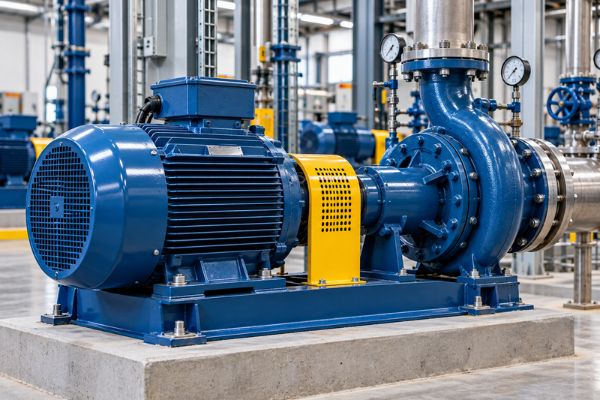
Select an AC induction motor by matching its rated power, speed, electrical supply and mounting arrangement to the pump or blower. Start with the equipment manufacturer’s performance curve and shaft power requirement. Then check starting conditions, operating hours and the installation environment.
An AC induction motor can fit a machine perfectly and still deliver poor results if its specifications do not match the application. A pump may struggle to deliver the required water flow. A blower may move less air than expected. Selecting a larger motor alone will not correct these problems.
For industrial buyers, the right selection starts with a simple question: what must the pump or blower deliver during normal operation? This guide explains how to turn that requirement into a clear motor specification before requesting a quotation.
Start With the Required Flow and Pressure
Before selecting motor power, define the work the equipment must perform.
For a pump, record the required liquid flow and total head. Total head includes elevation, pressure requirements and losses through pipes, valves and fittings. Also identify the liquid, its temperature and its density.
For a blower, record the required airflow and pressure rise. Duct length, bends, filters and other system components affect the pressure the blower must overcome.
| Selection Detail | For a Pump | For a Blower |
|---|---|---|
| Required Output | Liquid flow rate | Airflow rate |
| System Resistance | Total head | Required pressure rise |
| Material Handled | Liquid type and density | Gas type, temperature and density |
| Performance Information | Pump curve | Blower performance curve |
| Mechanical Load | Required shaft power | Required shaft power |
These details help identify the equipment’s operating point. The motor must support the shaft power required at that point and across the expected operating range.
How Do You Select the Right Motor Power?
Choose motor power using the pump or blower’s required shaft power, with a suitable allowance agreed with the equipment supplier.
Motor rated output is the mechanical power available at the shaft. Electrical input will be higher because the motor has losses. Buyers should keep these two figures separate when reviewing specifications.
For example, if a pump requires 2.6 kW at its intended operating point, the supplier might recommend a 3 kW motor. However, that selection still needs checks for the full operating range, starting torque, ambient conditions and any required derating.
Avoid applying one fixed percentage margin to every application. A centrifugal pump handling water and a positive displacement blower can have different loading characteristics.
Excessive oversizing also has a cost. A much larger motor may increase purchase cost and operate with a lower power factor at light load. Request a selection based on actual duty.
Which Motor Speed Is Suitable for Pumps and Blowers?
The correct motor speed is the speed required by the driven equipment.
Speedo Gear’s AC induction motor page lists approximately 960, 1440 and 2880 RPM options. These speeds give buyers several choices, but the pump or blower design determines which option is suitable.
A faster motor does not automatically produce a better installation. Increasing speed can raise equipment power demand, noise and mechanical stress.
For many centrifugal pumps and fans, under comparable conditions:
- Flow changes approximately in proportion to speed.
- Head or pressure changes approximately with the square of speed.
- Power changes approximately with the cube of speed.
This means a small speed increase can cause a much larger rise in power demand. These relationships have limits and should not be applied directly to every blower type or pumping system.
Confirm the permitted equipment speed before choosing the motor. If a belt drive is used, calculate the final pump or blower speed from the pulley ratio.
Check Voltage Frequency and Starting Method
The motor must match the available electrical supply and the selected starting arrangement.
Speedo Gear’s listed AC induction motor range specifies a 415 V supply and 50 Hz frequency. Buyers should confirm the exact nameplate ratings, permitted tolerances and terminal connections for the quoted model.
Also tell the supplier how the motor will start:
- Direct online starter
- Star delta starter
- Soft starter
- Variable frequency drive
The starting method affects current demand and available starting torque. Star delta starting requires a compatible motor connection and enough torque to accelerate the load.
A motor that runs the equipment comfortably may still struggle during starting. Share details about frequent starts, loaded starts and any supply limitations before ordering.
Should You Use a VFD With the AC Induction Motor?
A variable frequency drive can be useful when the required pump flow or blower airflow changes during operation.
For suitable centrifugal applications, reducing speed can lower energy use compared with running at full speed and restricting flow. The actual saving depends on the system and its operating pattern.
Before choosing a VFD, confirm:
- Motor suitability for inverter operation
- Minimum and maximum operating speeds
- Cooling performance at lower speeds
- Pump or blower speed limits
- Required protection and control settings
A standard motor’s shaft mounted cooling fan turns more slowly at reduced speed. Some applications may need separate cooling.
For pumps, also check minimum flow requirements. For blowers, check the permitted operating range. Speed control must respect the driven equipment’s limits.
Match the Mounting and Mechanical Connection
Check mounting details before placing an order, especially when replacing an existing motor.
B3 generally describes foot mounting, while B5 describes flange mounting. The correct arrangement depends on how the motor connects to the pump or blower.
Confirm the following dimensions:
| Item to Confirm | Why It Matters |
|---|---|
| Frame Size | Determines mounting dimensions |
| Shaft Diameter and Length | Must suit the coupling or pulley |
| Foot Hole Spacing | Must match the base arrangement |
| Flange Dimensions | Must match the equipment connection |
| Terminal Box Position | Affects cable access |
| Direction of Rotation | Must suit the driven equipment |
For belt driven equipment, ask the supplier to check allowable shaft loads. Correct alignment and belt tension help protect bearings and reduce vibration.
Consider Heat Dust Moisture and Operating Hours
The installation environment can change the motor specification you need.
A motor installed near a hot process line may require a different assessment from one operating in a ventilated pump room. Dust, water exposure and restricted airflow also affect selection.
Share the ambient temperature, altitude and expected operating hours with the supplier. Confirm the duty rating, enclosure protection and any required derating.
Class F insulation describes the winding insulation’s thermal classification. It does not by itself confirm suitability for every hot, wet or dusty location.
For hazardous areas involving flammable gases or combustible dust, obtain a motor with the certification required for that location.
What Should Buyers Send With a Motor Enquiry?
A detailed enquiry helps an AC induction motor manufacturer or supplier in Ahmedabad recommend a suitable model.
Send these details with your request:
- Pump or blower make and model
- Required flow and head or pressure
- Equipment shaft power and operating speed
- Available voltage, phase and frequency
- Starting method or VFD details
- Daily operating hours and number of starts
- Mounting dimensions and shaft details
- Ambient conditions and delivery location
For a replacement motor, attach clear photographs of the nameplate, mounting and coupling. Also explain why the old motor is being replaced. Repeated overheating or tripping may indicate a system problem that a new motor alone will not solve.
Conclusion
Selecting an AC induction motor for pumps and blowers starts with the equipment’s duty point. Confirm shaft power, speed, starting torque, electrical supply and mounting before comparing quotations.
Speedo Gear’s published AC induction motor range covers 0.37 kW to 7.5 kW. Share your application details with the team to confirm a suitable model, available specifications and delivery terms.
Visit the AC Induction Motor product page to submit your requirement.
FAQs
Provide required shaft power, RPM, supply voltage, mounting type, starting method and operating hours. Include the equipment model and performance requirements so the supplier can check suitability.
Yes, when its power, speed, starting torque, mounting and environmental ratings meet both applications. Selection should follow the requirements of each machine.
A higher power motor alone does not increase flow when pump speed and system conditions stay the same. Review the pump curve, impeller, operating speed and pipe resistance first.
Use the speed specified for the pump or blower. Changing speed can affect flow, pressure, power demand and mechanical limits, so confirm the choice with the equipment supplier.
Ask the motor supplier to confirm inverter suitability and the permitted speed range. Cooling, insulation and the load’s operating limits must be checked before selection.
Price depends on power rating, efficiency class, frame size, mounting, enclosure protection and special requirements. Compare quotations using the same technical specification.
Choose a supplier that reviews your application and provides clear model specifications, mounting dimensions, delivery terms and warranty information. Ask for written confirmation of suitability before ordering.